Books: With Stories That Matters
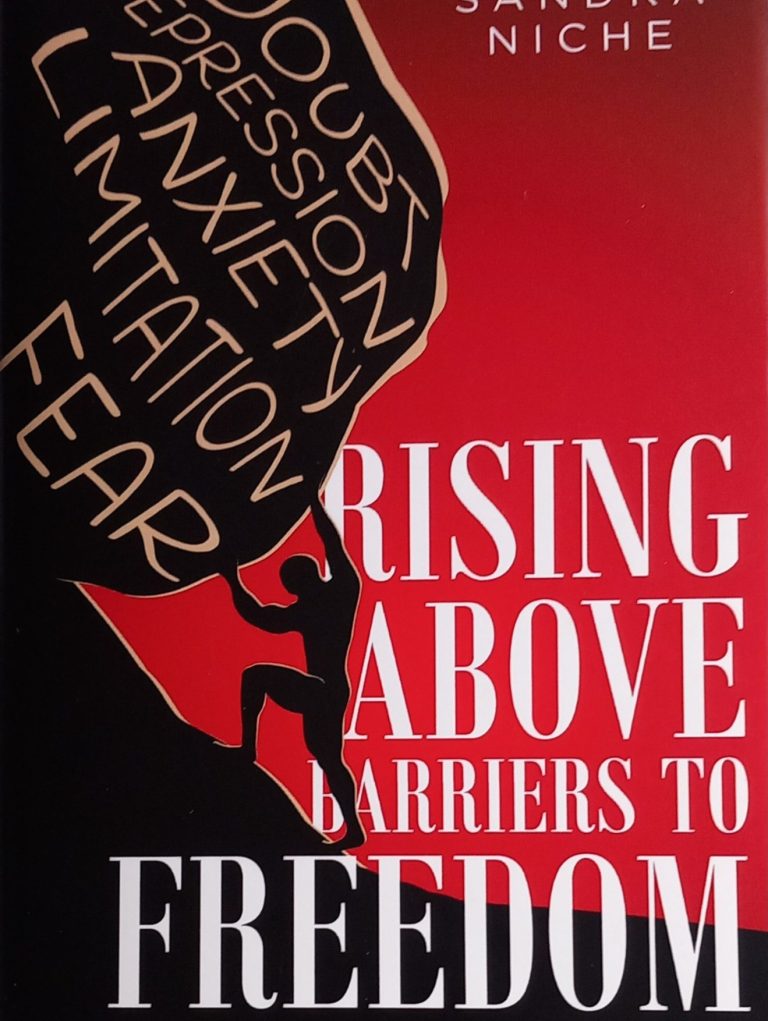
Rising Above Barriers To Freedom
Rising Above Barriers to Freedom
Rising Above Barriers to Freedom explores the struggle for freedom in the face of oppression, discrimination, and social inequality. It highlights the courage and determination of individuals who overcome difficult barriers and stand up for their rights. The work shows that freedom is not easily achieved but requires resilience, unity, and the willingness to challenge injustice. Ultimately, it inspires readers to believe that with courage and perseverance, barriers can be overcome and a more equal and free society can be created.
Coming Soon!!1!
Rising Above Barriers to Freedom
Rising Above Barriers to Freedom is an empowering and thought-provoking book for mature readers who are navigating challenges, emotional struggles, setbacks, and barriers that may be standing in the way of personal growth and freedom.
This book explores the journey of overcoming the obstacles that can hold us back—not only external circumstances, but also limiting beliefs, fear, self-doubt, negative thought patterns, emotional struggles, and experiences from the past. It encourages readers to look within, understand their emotions, strengthen their mindset, and discover the inner strength needed to move forward with greater purpose and confidence.
Through the themes of growth, emotional regulation, mindset development, self-awareness, resilience, and personal empowerment, readers are encouraged to develop healthier ways of responding to life's difficulties rather than allowing challenges to define them. The book offers encouragement and practical insight for anyone seeking to regain focus, build confidence, and create positive change in their life.
What Readers Can Gain
By reading Rising Above Barriers to Freedom, readers can gain:
- Greater awareness of their emotions and how to regulate them.
- A stronger and more positive mindset.
- Increased self-confidence and belief in themselves.
- Greater focus and clarity when facing difficult situations.
- Inner strength and resilience to overcome obstacles.
- Tools and encouragement for personal growth and development.
- A deeper understanding of the barriers that may be preventing them from moving forward.
- Motivation to release limiting beliefs and embrace new possibilities.
- A renewed sense of purpose, courage, and personal freedom.
Who Is This Book For?
Rising Above Barriers to Freedom is primarily written for mature readers and adults, particularly those who are experiencing barriers, life challenges, emotional difficulties, transitions, or periods of uncertainty.
It is for anyone who feels stuck, overwhelmed, discouraged, or unsure of how to move forward and is looking for meaningful material to support their emotional, mental, and personal development.
Whether you are rebuilding after difficult experiences, working on your confidence, learning to manage your emotions, or simply seeking to become a stronger and more focused version of yourself, this book offers encouragement and guidance for the journey.
Rising Above Barriers to Freedom is a reminder that barriers do not have to become permanent limitations. With self-awareness, emotional strength, a renewed mindset, and the courage to grow, it is possible to rise above what has held you back and move towards a life of greater confidence, purpose, and freedom.
Overcoming
Overcoming
Overcoming is an inspiring story about facing challenges, overcoming difficulties, and becoming stronger through perseverance. It shows how determination, courage, and hope can help a person rise above obstacles and achieve their goals. The book reminds us that failure and hardship are not the end, but opportunities to learn, grow, and move forward
Overcoming
Overcoming is a deeply personal account of one woman’s journey through a challenging relationship and the defining question that emerged from it: Do we recognise our value, or do we settle for what diminishes us?
Set against the realities of love, resilience, difficult choices and personal growth, the story explores what it means to confront circumstances that no longer serve us and find the courage to choose something different. While the journey is at times daunting, Overcoming is ultimately not a story defined by hardship. It is a story of determination, self-awareness and rebuilding.
Through repeated difficulties, the writer discovers that overcoming is not simply about surviving what life places before us; it is about understanding our worth, reclaiming our direction and having the courage to create a life that reflects it.
Today, that journey has evolved far beyond the pages of the book. As a law graduate, the writer has gone on to establish her own publishing company to bring her work to readers, while also becoming a director of a consultancy business. These achievements represent the transformation at the heart of Overcoming: the movement from circumstances that could have defined her to a future she chose to define for herself.
Written with honesty and reflection, Overcoming seeks to connect with the experiences many people encounter in their own lives — the moments when we question ourselves, compromise our values, or remain in situations because change feels more frightening than staying the same.
The intention is not to invite sympathy, but self-awareness.
This is a story for anyone who has ever felt that they were settling for less than they deserved, lost sight of their own potential, or needed the courage to make a different choice. Through its pages, readers are invited to reflect on their own lives, recognise what holds them back and, perhaps, discover the strength to walk away from whatever threatens to diminish them.
Above all, Overcoming is a reminder that your circumstances do not have to become your destination.
It is never too late to recognise your value, choose to change and begin rebuilding a life on your own terms.
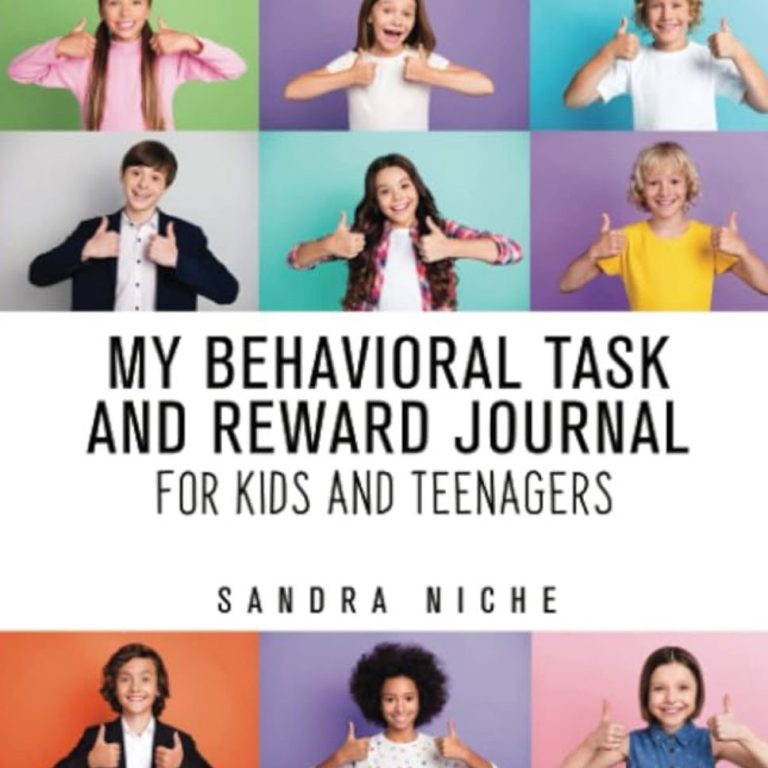
My Behavioral Task and Reward Journal
My Behavioural Task and Reward Journal for Children and Teenagers
My Behavioural Task and Reward Journal is a practical and engaging tool designed to help children and teenagers develop positive habits, responsibility, and self-discipline. Through simple daily tasks, behaviour tracking, and rewards, young people can recognise their progress and feel motivated to make positive choices. The journal encourages goal-setting, consistency, confidence, and personal growth while making behaviour improvement fun and achievable.
My Behavioral Task and Reward Journal
A practical tool for parents, children and schools to build structure, responsibility, focus and positive behaviour — one task at a time.
Is homework becoming an argument? Are chores constantly being forgotten? Does your child struggle to follow routines, stay focused, complete tasks or respond to instructions?
My Behavioral Task and Reward Journal has been created to make every day parenting easier by turning difficult routines into something more structured, visible and rewarding.
Designed for children and young people approximately 8–15 years old, this practical journal provides parents, carers, teachers and schools with a simple way to introduce structure around homework, household chores, daily responsibilities, behaviour, focus and goal-setting.
Instead of repeatedly asking, reminding, negotiating and becoming frustrated, the journal gives the young person a clear picture of what needs to be done, when it needs to be done and what positive outcome comes from completing it.
Take the Stress Out of Everyday Parenting
Every parent knows the frustration of asking the same question repeatedly:
Have you done your homework?
Have you tidied your room?
Did you finish what I asked you to do?
Why haven't you started yet?
How many times do I have to ask?
Over time, these repeated conversations can turn ordinary responsibilities into daily battles.
The journal is designed to help change that dynamic.
Rather than making the parent the constant source of reminders, My Behavioral Task and Reward Journal places the responsibility in front of the young person. Tasks become something they can see, work towards, complete and take ownership of.
This can help reduce the cycle of nagging, arguing, procrastination and frustration, while giving parents a practical framework for encouraging consistency.
Why Structure Matters
Children and teenagers are still developing the skills needed to organise themselves, manage their time, control impulses, maintain attention and complete responsibilities independently.
For some young people, particularly those who are easily distracted, impulsive or resistant to routine, a verbal instruction can quickly disappear from their attention.
The CDC identifies difficulty organising and completing tasks, following instructions, being easily distracted, and avoiding or disliking tasks requiring sustained mental effort — including schoolwork and homework — among recognised symptoms associated with ADHD. Importantly, struggling with these behaviours does not automatically mean a child has ADHD, and this journal is not intended to diagnose or treat ADHD. (CDC)
The journal instead provides a practical structure that can be useful for many children, whether they simply need greater consistency at home, are developing independent routines, struggle with motivation, or benefit from having expectations made clear and visible.
The Homework Battle Is Real
Homework can be a significant source of frustration for families.
Research from the UK's National Parents Survey reported that 4 million parents regularly have arguments with their child over homework. The same research found that one in four parents questioned the value of their child's homework, while many parents also reported that they wanted more information about how to support their child's learning at home. (Parentkind)
UK government research has also highlighted motivation and distraction as common barriers to studying at home. Among parents of secondary school pupils surveyed, 44% identified a lack of motivation as a challenge for their child, while 22% identified distractions from other people in the household. (GOV.UK)
These figures demonstrate something many parents already know:
Getting a child to sit down and complete a task can sometimes be harder than the task itself.
My Behavioral Task and Reward Journal is designed to help address that everyday challenge by creating a visual, structured and consistent approach to completing responsibilities.
From "Do It!" to "Let's Work Towards It"
The journal introduces the idea that responsibilities can be connected to positive reinforcement and meaningful rewards.
Rather than focusing only on what a child has done wrong, parents can use the journal to recognise what the child has done right.
This gives young people an opportunity to experience the relationship between:
Task → Effort → Completion → Recognition → Reward → Responsibility
That process can help children understand that their choices and actions have consequences — and that positive effort can lead to positive outcomes.
The aim is not to bribe a child into behaving.
It is to help them understand responsibility, develop routines and experience the satisfaction of achieving something they have worked towards.
What Will Your Child Learn?
With consistent use, the journal can support the development of everyday skills such as:
- Following a structured routine
- Completing homework
- Managing household chores
- Taking responsibility for personal tasks
- Improving organisation
- Developing time-management habits
- Maintaining focus on individual tasks
- Reducing procrastination
- Understanding expectations
- Working towards achievable goals
- Recognising positive behaviour
- Developing independence
- Building consistency
- Taking ownership of responsibilities
- Understanding the connection between effort and outcomes
These are skills that extend beyond childhood.
A child who learns how to organise their schoolwork, manage responsibilities and complete tasks can begin developing habits that support them through secondary school, further education, employment and adult life.
A Tool for Children Who Are Easily Distracted
Today's children are surrounded by distractions — phones, tablets, gaming, social media, television, friends and competing demands for their attention.
For a young person who already finds sustained attention difficult, homework or household chores can feel considerably less appealing than an immediately rewarding activity.
The journal provides a physical and visual alternative to relying entirely on verbal reminders.
Instead of holding every responsibility in their head, the young person can see the task, track the task and work towards completing the task.
That simple process can help turn an overwhelming list of responsibilities into manageable steps.
Helping Children Develop Self-Regulation
One of the most important aims of My Behavioral Task and Reward Journal is to encourage children to become increasingly responsible for their own behaviour.
Self-regulation involves developing the ability to manage attention, behaviour, emotions and actions in ways that help us achieve our goals.
The journal does not promise an overnight transformation.
Instead, it encourages practice, consistency and repetition.
Each completed task provides another opportunity for the young person to practise responsibility.
Each successful routine can reinforce the next one.
And each achievement can help build confidence.
More Than a Chore Chart
This is not simply a list of chores.
It is a behavioural task and reward journal designed to bring structure into everyday life.
It can be adapted around the individual needs of a child and used for responsibilities such as:
Homework & Study
- Completing homework
- Reading
- Revision
- Preparing school materials
- Completing assignments
- Study routines
Household Responsibilities
- Tidying bedrooms
- Making the bed
- Washing dishes
- Putting laundry away
- Keeping personal spaces organised
- Helping around the home
Personal Responsibility
- Getting ready on time
- Preparing for school
- Organising belongings
- Following agreed routines
- Completing personal responsibilities
Positive Behaviour
- Listening to instructions
- Remaining focused
- Completing agreed tasks
- Showing respectful behaviour
- Avoiding unnecessary interruptions
- Following household expectations
The journal can be adapted to suit the child's age, maturity and individual circumstances.
A Practical Resource for Parents
The greatest value of the journal may be the difference it can make to the parenting experience.
Parents should not have to spend every evening repeating instructions, negotiating over homework or arguing about chores.
The journal gives families a framework that can make expectations clearer.
It can help move the conversation from:
"How many times do I have to tell you?"
to:
"What is on your task list today?"
That small change can help place responsibility where it belongs — with the young person.
A Resource for Schools and Educational Settings
My Behavioral Task and Reward Journal can also be used as a practical resource within schools and educational settings for children approximately 8–15 years old.
Teachers, pastoral teams, teaching assistants, behaviour support staff and parents can use structured task-setting and positive reinforcement to encourage children to practise:
- Focus and attention
- Task completion
- Organisation
- Classroom responsibility
- Positive behaviour
- Following instructions
- Goal-setting
- Independent working
- Consistency
- Self-management
The journal may also provide a useful communication tool between home and school, helping adults identify patterns in a young person's ability to complete tasks and maintain routines.
The Value for Parents
Buying My Behavioral Task and Reward Journal is about more than purchasing a book.
You are investing in a practical resource that can be used repeatedly to establish routines, track progress and encourage responsibility.
It can help you:
Spend less time reminding.
Spend less time arguing.
Make expectations clearer.
Give your child greater ownership.
Recognise positive behaviour.
Create consistent routines.
Encourage independence.
Most importantly, it can help take some of the emotional pressure out of everyday parenting.
Because sometimes the problem isn't that a parent doesn't know what their child needs to do.
The problem is getting the child to do it.
This journal was created to help bridge that gap.
Building Better Habits — Not Expecting Perfection
Children will still have difficult days.
They will forget things.
They will become distracted.
They may resist a task.
They may not complete everything perfectly.
And that's okay.
The purpose of the journal is not perfection.
It is progress.
A child who previously completed one task may eventually complete three.
A child who needed constant reminders may begin checking their journal independently.
A child who avoided homework may learn to break the process into manageable steps.
A child who resisted household responsibilities may begin understanding that being part of a family also means contributing to the home.
Small changes can become meaningful habits when they are repeated consistently.
Who Is My Behavioral Task and Reward Journal For?
This journal is particularly suitable for:
- Parents of children aged 8–15
- Parents struggling with homework routines
- Families experiencing arguments around chores
- Children who need greater structure
- Children who are easily distracted
- Children who struggle with task completion
- Young people developing independence
- Children who benefit from visual routines
- Families wanting to encourage positive behaviour
- Parents looking for alternatives to constant verbal reminders
- Schools and educational settings
- Teachers and pastoral support teams
- Children who need encouragement with organisation and responsibility
It can be used whether your child is generally well-behaved but needs more structure, or whether you are experiencing ongoing challenges with motivation, focus, organisation, routines and task completion.
Give Your Child Something to Work Towards
Children need boundaries.
They also need encouragement.
They need to understand expectations, but they also need opportunities to experience success.
My Behavioral Task and Reward Journal brings these ideas together in one practical resource.
It gives parents a structured way to set expectations and gives children a tangible way to see their own progress.
Because the ultimate goal isn't for parents to control every task their child completes.
The goal is for the young person to gradually learn to manage more of those responsibilities themselves.
From reminders to responsibility.
From arguments to structure.
From distraction to focus.
From "I don't want to" to "I can do this."
My Behavioral Task and Reward Journal — helping families turn everyday challenges into opportunities to build responsibility, confidence and independence.
Interested in our courses? Visit the link and book a consultation: https://snconsultancyandsupportservices.com/
Introduction of: My Behavioural Task & Reward Journal.
A practical and interactive resource designed for children and teenagers aged 8–15 years.
The journal has been created to help children develop positive behaviours, good values, responsibility and healthy daily habits through simple, repetitive tasks that encourage consistency and independence.
What problem does the journal help address?
Many children and young people struggle with:
- Low self-esteem and confidence
- Short attention spans and difficulty staying focused
- Inconsistent routines and difficulty completing everyday tasks
- Forgetting responsibilities or needing constant reminders
- Difficulty understanding the connection between actions, responsibility and consequences
- Building positive habits and maintaining them consistently
- Feeling overwhelmed by expectations from adults
The journal provides a structured but enjoyable way to help children practise these skills regularly, while giving adults an opportunity to encourage and recognise their progress.
How does it work?
The tasks are intentionally repetitive. This is because the aim is not simply to get a child to complete a task once, but to help them practise it enough times that it gradually becomes a natural habit.
Over time, the goal is for children to begin completing their responsibilities with less prompting from adults and greater independence.
The journal also includes an interactive section for parents, foster carers or other supporting adults to sit down with the child. This creates an opportunity to talk, reflect, encourage and celebrate progress together.
At the end of each week, adults are encouraged to provide an appropriate reward or positive recognition when the child has made a consistent effort to complete their tasks. The reward does not have to be expensive — the important thing is that the child feels that their effort, progress and responsibility have been noticed and valued.
More than a task book
The journal is designed to help children understand that small positive actions, repeated consistently, can lead to meaningful change.
It encourages values such as:
Responsibility • Respect • Independence • Consistency • Self-discipline • Kindness • Confidence • Accountability
Most importantly, the journal is designed to take some of the pain out of parenting and caring.
Instead of adults constantly having to remind, repeat instructions and manage the same behaviours every day, the journal provides a shared structure that allows the child to take greater ownership of their responsibilities.
It is not intended to replace professional support or individual care plans. Rather, it can be used alongside existing approaches as a practical tool to encourage positive routines, communication and personal development.
We believe that when children are given clear expectations, opportunities to practise, positive encouragement and recognition for their efforts, they can gradually develop the confidence and independence they need to succeed.
The aim is simple: less nagging, more positive interaction, stronger habits and greater confidence for the child.
I would welcome the opportunity to introduce the My Behavioural Task & Reward Journal and discuss how it could support the children and young people in your care or service.
Can be purchased on Amazon/www.nichecreation.co.uk by submitting a request for copies through the Contact Form.